
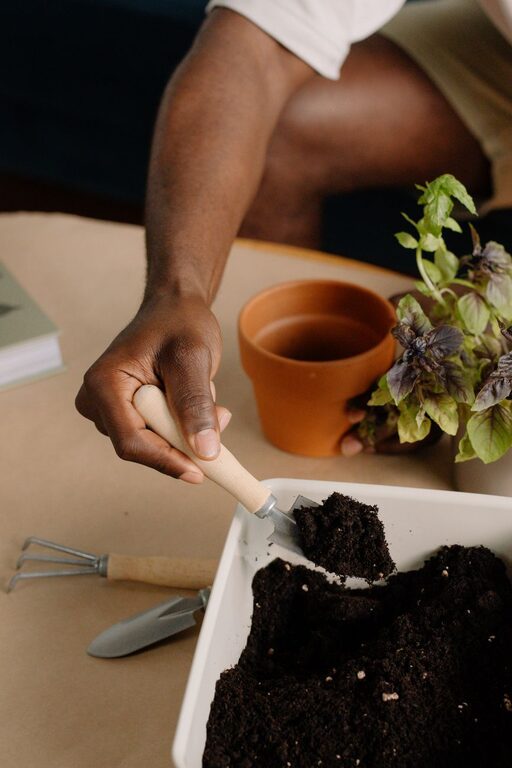
Starting a small herb garden indoors is a rewarding way to enjoy fresh flavors all year round. Whether you have a sunny windowsill, a balcony, or limited space in your home, growing herbs indoors can be simple and enjoyable. This guide will walk you through everything you need to know to start your own indoor herb garden successfully.
Why Grow Herbs Indoors?
Growing herbs indoors offers numerous benefits:
– Freshness: You can harvest herbs anytime for cooking.
– Convenience: Save trips to the store and have herbs at your fingertips.
– Decoration: Herbs add greenery and a pleasant aroma to your living space.
– Cost-effective: Growing your own herbs is more economical than buying fresh herbs regularly.
Choosing the Right Herbs for Indoor Gardening
Some herbs thrive better indoors than others. Here are popular, easy-to-grow herbs for indoor gardening:
– Basil: Needs plenty of light and warmth.
– Mint: Grows quickly and spreads easily; keep it contained.
– Parsley: Prefers cooler temperatures and indirect light.
– Chives: Adapt well to indoor conditions.
– Thyme: Requires good light and well-drained soil.
– Oregano: Tolerates moderate light and prefers dry soil.
Start with 2–3 herbs that you use often and enjoy cooking with.
Selecting Containers for Your Herb Garden
Choosing the right containers helps your herbs grow well indoors.
– Size: Select pots that are 4–6 inches deep to allow room for roots.
– Material: Terra cotta pots are popular because they allow air flow; plastic pots retain moisture well.
– Drainage: Ensure pots have drainage holes to prevent waterlogging.
– Saucer: Use a saucer to catch excess water and protect surfaces.
You can also use creative containers like mason jars or recycled containers, but proper drainage is key.
Choosing the Potting Mix
Herbs require well-draining soil to prevent root rot. Use a lightweight potting mix designed for indoor plants or mix your own using:
– 2 parts potting soil
– 1 part perlite or coarse sand (for drainage)
– 1 part compost (for nutrients)
Avoid using garden soil, which may be too heavy and contain pests.
Providing Adequate Light
Light is one of the most important factors for healthy indoor herbs.
– Natural Light: Most herbs need 6–8 hours of sunlight daily. A south-facing window is ideal.
– Artificial Light: If natural light is limited, use fluorescent or LED grow lights placed 6–12 inches above the plants for 12–16 hours daily.
– Rotate plants every few days to ensure even light distribution.
Planting Your Herbs
You can start your herb garden from seeds or purchase starter plants from a nursery.
Starting from Seeds
– Fill pots with potting mix and moisten lightly.
– Sow seeds according to package instructions, usually ¼ inch deep.
– Cover seeds lightly with soil and keep moist.
– Place in a warm area with adequate light.
– Germination time varies by herb; be patient.
Using Starter Plants
– Gently remove plants from their nursery containers.
– Loosen roots if they are tightly bound.
– Plant them in your prepared containers.
– Water well after planting.
Caring for Your Indoor Herb Garden
Watering
– Water when the top inch of soil feels dry.
– Avoid overwatering; soggy soil can cause root rot.
– Water in the morning to allow foliage to dry.
Feeding
– Use a balanced, water-soluble fertilizer once every 4–6 weeks.
– Avoid over-fertilizing, which can reduce flavor.
Pruning and Harvesting
– Regularly pinch back leaves to encourage bushier growth.
– Harvest leaves as needed, but avoid removing more than one-third of the plant at once.
– Remove any yellow or dead leaves.
Humidity and Temperature
– Most herbs prefer temperatures between 65°F and 75°F.
– Avoid placing herbs near drafts or heating vents.
– If air is dry, mist plants occasionally or use a humidity tray.
Common Challenges and Solutions
– Leggy or weak plants: Usually due to insufficient light. Move plants to a brighter location or add grow lights.
– Yellowing leaves: May be caused by overwatering or poor drainage. Check soil moisture and drainage.
– Pests: Indoor herbs can attract aphids or spider mites. Wipe leaves with soapy water or neem oil spray.
– Slow growth: Consider feeding more often or repotting into fresh soil.
Tips for Success
– Group herbs with similar light and water needs.
– Use labels to keep track of different herbs.
– Experiment with growing herbs vertically using wall planters or shelves.
– Enjoy the process and try new herbs over time.
Conclusion
Starting a small herb garden indoors is a practical and enjoyable way to bring fresh ingredients into your kitchen and brighten your home. With the right herbs, containers, light, and care, you can create a thriving garden no matter your space. Give it a try, and soon you’ll be enjoying the aroma and taste of freshly picked herbs daily!