
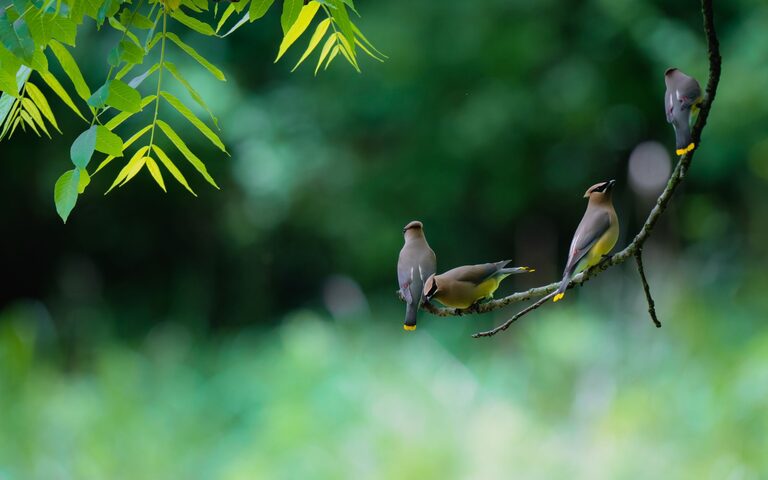
Birdwatching is a rewarding and relaxing hobby that brings you closer to nature without leaving your own backyard. Whether you live in a city or a rural area, you can enjoy observing a variety of bird species from the comfort of your home. If you’re new to birdwatching, this guide will offer easy tips to get started and help you appreciate the feathered visitors that frequent your outdoor space.
Why Backyard Birdwatching?
Birdwatching is more than just spotting birds. It encourages mindfulness, provides entertainment, and can even contribute to local wildlife conservation by enhancing your awareness of native species. Plus, it requires minimal equipment and is suitable for all ages.
Getting Started: Basic Supplies
You don’t need fancy gear to begin birdwatching, but certain items can make the experience more enjoyable and effective.
1. Binoculars
A good pair of binoculars helps you see details without disturbing the birds. For beginners, 8×42 binoculars offer a good balance between magnification and ease of use.
2. Field Guide or Bird Identification App
Having a reference handy, whether a physical book or a smartphone app, helps you identify species by characteristics such as size, color, and behavior.
3. Notebook or Bird Journal
Recording your sightings can be fun and educational. Note the species, date, time, and any interesting behaviors.
Creating a Bird-Friendly Backyard
Attracting birds starts with making your yard welcoming and safe. Here’s how:
Food Sources
– Seed Feeders: Different birds prefer different seeds. Black-oil sunflower seeds attract a large variety of species.
– Suet Feeders: These are great for woodpeckers and insect-eaters.
– Fruit and Nectar: Orioles and hummingbirds enjoy fruit and nectar feeders.
– Natural Food: Plant native trees and shrubs that provide berries, nuts, and insects.
Water Source
Birds need water for drinking and bathing. A shallow birdbath with fresh water can attract many species. Be sure to clean it regularly.
Shelter and Nesting
Providing bushes, trees, or birdhouses gives birds safe places to rest and raise their young. Native plants are especially valuable since they support local wildlife.
Tips for Successful Birdwatching
1. Be Patient and Quiet
Birds are sensitive to noise and movement. Sit quietly and observe patiently to catch more sightings.
2. Watch at Different Times
Bird activity varies throughout the day. Early mornings and late afternoons are often the best times to see birds.
3. Learn Bird Behaviors
Understanding how birds feed, fly, and communicate helps you identify them more easily.
4. Use a Range of Feeders
Different birds have different feeding habits. Using a mix of feeder types attracts a broader variety of species.
5. Avoid Disturbing Nests
If you spot nesting birds, observe from a distance to avoid causing stress or abandonment.
Common Backyard Birds to Look For
Depending on where you live, you might see:
– Northern Cardinal
– American Robin
– Blue Jay
– Mourning Dove
– Black-capped Chickadee
– House Finch
– Downy Woodpecker
– Ruby-throated Hummingbird
Use your field guide to match markings and sounds.
Joining a Birdwatching Community
Consider connecting with local birdwatching groups or online forums. Sharing your sightings and experiences enhances the hobby and helps with identification questions.
Final Thoughts
Backyard birdwatching is a delightful way to connect with nature, improve your observation skills, and bring more life into your outdoor space. Start with simple steps like setting up feeders and practicing patience. Over time, you’ll enjoy the diversity and beauty of your avian visitors.
Happy birdwatching!