
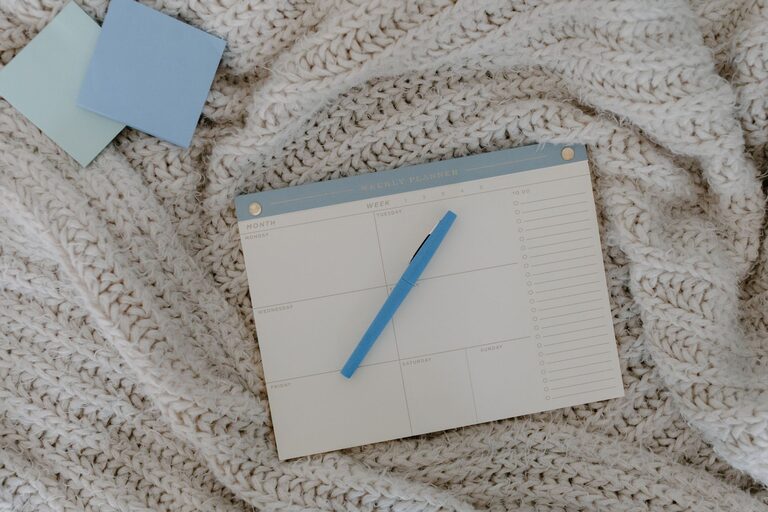
Taking a break from the hectic pace of everyday life is essential for your well-being. Planning a no-stress weekend allows you to recharge, feel refreshed, and improve your overall mood. However, the idea of “doing nothing” can sometimes feel stressful if it’s not planned thoughtfully. This guide will walk you through practical steps to help you enjoy a truly relaxing weekend without the pressure.
Why Plan a No-Stress Weekend?
Stress can build up without us noticing until we feel overwhelmed. A weekend dedicated to reducing stress isn’t just about resting; it’s about intentionally creating space for relaxation and joy. Planning ahead prevents last-minute pressure and helps you make the most out of your free time.
Step 1: Set Realistic Expectations
Before your weekend begins, remind yourself that it’s okay to slow down. You don’t need to fill every hour with activities or errands. Set simple goals like resting, enjoying nature, or spending time with loved ones. This mindset helps prevent feelings of guilt or failure if your plans change.
Step 2: Declutter Your To-Do List
Look at your usual weekend tasks. Which ones are truly necessary? Consider postponing or delegating chores that can wait. Prioritize activities that bring you peace and joy. Sometimes, saying “no” to certain obligations is an important part of stress relief.
Step 3: Prepare in Advance
Take care of basics before the weekend starts:
– Grocery shop for healthy, easy-to-make meals.
– Set out comfortable clothes.
– Plan downtime or fun activities.
– Schedule any calls or appointments intentionally, with breaks in between.
Having these prepared reduces decision fatigue and last-minute rushes.
Step 4: Create a Relaxing Environment
Your surroundings impact your mood. Spend some time tidying your space, but don’t overdo it. Add elements that promote calm, such as:
– Soft lighting or candles
– Fresh flowers or plants
– Your favorite cozy blanket or pillow
Avoid clutter, but don’t pressure yourself to make everything perfect.
Step 5: Limit Screen Time
Constant notifications and social media can increase stress. Try setting boundaries like:
– Designate tech-free periods.
– Turn off non-essential notifications.
– Use your phone or computer purposefully.
Instead, consider reading a book, journaling, or listening to calming music.
Step 6: Plan Enjoyable Activities
A no-stress weekend doesn’t mean doing nothing. Choose activities that relax and rejuvenate you. Here are some ideas:
– Take a nature walk or light hike
– Practice gentle yoga or stretching
– Cook or bake a new recipe
– Enjoy a hobby like painting or gardening
– Have a picnic outdoors
– Watch a favorite movie or listen to a podcast
Balance is key—don’t over-schedule.
Step 7: Practice Mindfulness and Self-Care
Mindfulness helps keep your focus on the present, reducing anxiety about past or future worries. Try simple practices such as:
– Deep breathing exercises
– Meditation or guided relaxation
– Taking a warm bath
– Writing a gratitude list
Self-care can be as simple as allowing yourself to rest or doing something nurturing for your body and mind.
Step 8: Connect Meaningfully
Spending time with loved ones can be very calming. Plan relaxed gatherings or phone calls where you can share and listen without distractions. If you prefer solitude, make sure to communicate your needs gently so others understand your need for quiet time.
Step 9: Get Quality Sleep
Good sleep is crucial to reducing stress. Keep your sleep environment comfortable:
– Maintain a cool, dark room
– Avoid caffeine or heavy meals before bed
– Stick to a consistent sleep schedule if possible
– Wind down with calming activities like reading or listening to soft music
Don’t hesitate to take short naps if you feel tired.
Step 10: Reflect and Adjust
At the end of your no-stress weekend, take a moment to reflect on what worked well and what you might change for next time. Every person’s ideal relaxation routine is different, so finding what suits you best is a valuable process.
—
Final Thoughts
Planning a no-stress weekend is about being kind to yourself and creating an environment where relaxation can happen naturally. By setting realistic goals, preparing ahead, and including activities that bring you joy and calm, you’ll return to your week feeling refreshed and balanced. Remember, the best weekend is one that feels right for you—so embrace flexibility and enjoy the time you’ve set aside just for yourself.